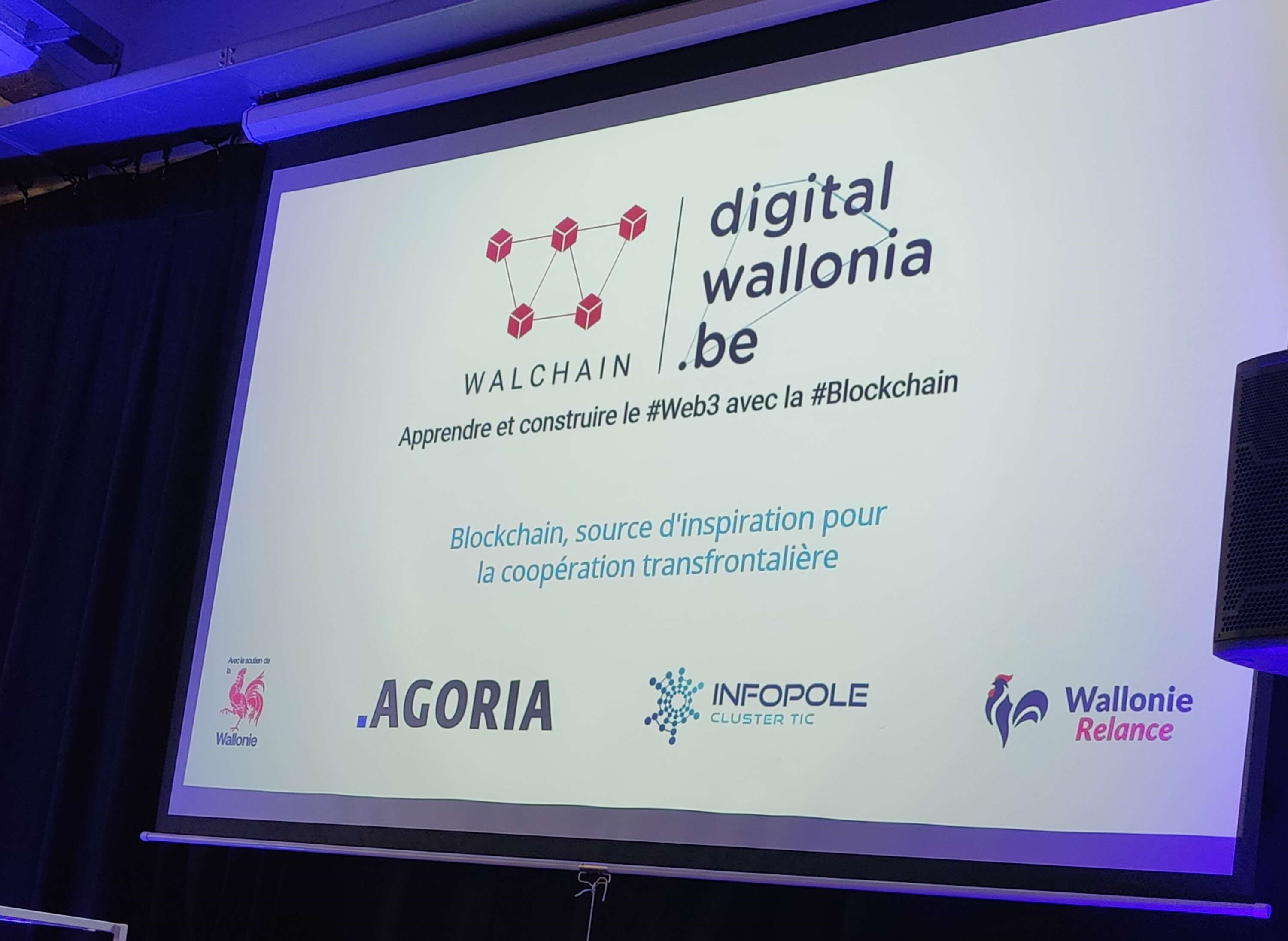
Blockchain is most useful when several parties need to share information but cannot rely on one organisation to control the complete system.
That was my main takeaway from the Kortrijk Blockchain Conference. The sessions covered the foundations of blockchain, but the more valuable question was how those foundations translate into better coordination between businesses, institutions and countries.
The mechanics that matter
A blockchain combines a shared ledger with rules for validating new records. Transactions are grouped into blocks, linked chronologically and accepted through a consensus mechanism. Smart contracts can then execute agreed rules when specific conditions are met.
Those components are not automatically valuable. Their usefulness depends on the situation. If one trusted organisation can manage a database efficiently, a conventional system may be the better choice. A distributed ledger becomes interesting when ownership, verification and trust must be shared.
Before choosing blockchain, ask who needs to write data, who must verify it and why a shared source of truth cannot be managed by one trusted party.
From supply chains to public services
The conference presented examples in finance, healthcare and supply-chain management. Across these cases, the recurring value was traceability. Participants could verify where a record came from, when it changed and whether the history remained intact.
This becomes especially relevant across borders. Organisations often use different systems, legal frameworks and data standards. Shared infrastructure cannot solve those differences by itself, but it can provide a common verification layer. That can reduce reconciliation work and make cooperation more transparent.
The human layer
The conversations between sessions added important nuance. Speakers and attendees were open about both the potential and the limitations of the technology. That made the event feel less like a product pitch and more like a practical discussion about design choices.
I left with a clearer framework: start with the coordination problem, identify the trust boundaries and only then decide whether blockchain belongs in the solution. The technology is compelling, but disciplined problem selection is what turns it into useful infrastructure.